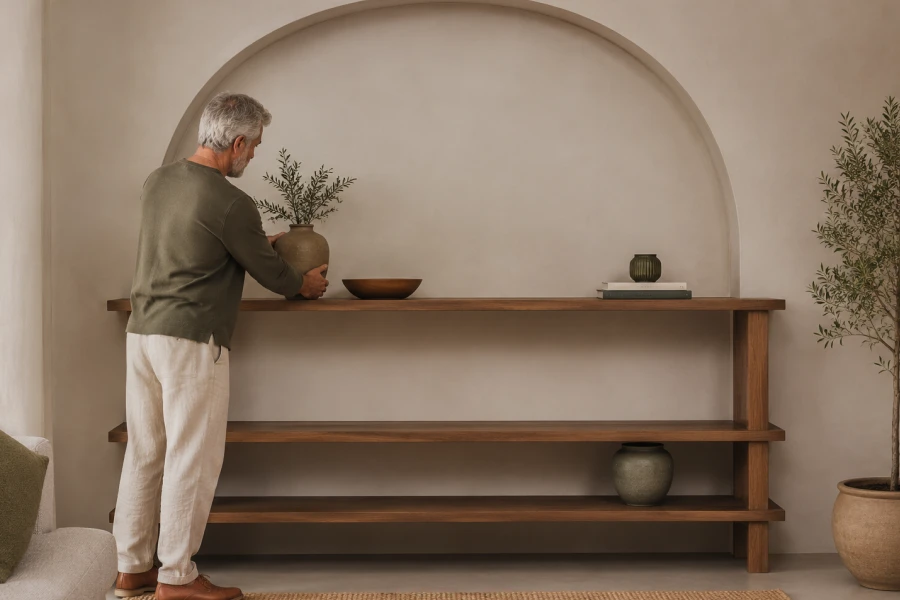
A home does not need to look empty to feel lighter. A realistic minimalist decluttering strategy removes what drains you while protecting what supports you. That difference matters. Minimalism is often shown as perfect shelves, beige rooms, and almost no belongings. Real life is more layered. You may have hobbies, children, pets, sentimental objects, or limited storage. The goal is not to copy someone else’s version of simplicity. The goal is to make your home easier to use. When the process fits your actual life, minimalism becomes practical instead of performative.
Friction shows you where clutter hurts most. Look for places that slow you down. Maybe your closet makes mornings stressful. Maybe your kitchen counters disappear after every meal. Maybe paperwork piles up because no system exists. These problem areas deserve attention before decorative spaces. Start where relief would matter most. That keeps motivation grounded in daily benefit. You are not decluttering for a photo. You are decluttering for smoother routines. A decluttered living system should reduce effort, not create another impossible standard.
Minimalism becomes stressful when it turns into deprivation. You do not need one plate, one towel, and one pair of shoes. You need enough for your household, routines, and comfort. Define enough by use, not by a number from the internet. Keep the items you reach for often. Keep backups when they prevent real inconvenience. Remove extras that exist only because decisions were delayed. This approach feels balanced. It also prevents rebound shopping. When you know what enough looks like, buying and letting go both become easier.
Sentimental items need a slower pace. They are not ordinary clutter. Start by separating meaningful objects from inherited obligation. Keep the pieces that bring a clear memory, connection, or joy. Release items that carry only guilt or confusion. Photograph bulky objects if the memory matters more than the item. Create one memory box with a defined size. Let the container set boundaries. This prevents sentimental categories from taking over storage. A letting go framework can make emotional decisions feel less lonely.
Storage products can hide clutter instead of solving it. Before buying bins, edit the contents. Empty the drawer, shelf, basket, or cabinet. Sort what belongs there now. Remove anything expired, broken, duplicated, or unused. Then organize only what remains. This simple order prevents wasted purchases. It also shows whether you need storage at all. Many spaces improve with fewer items, not better containers. When containers are useful, choose clear sizes and repeatable systems. Good storage should make access easier. It should not turn your home into a warehouse.
A system works only if it survives real life. Busy weeks will happen. Laundry will pile up. Mail will arrive. Children, guests, and work deadlines will interrupt your plans. Build resets into the rhythm of your home. Use five-minute evening sweeps. Keep donation bags visible. Assign landing places for daily items. Make storage easy enough for tired people. Avoid systems that require perfect folding or constant labeling. A low-stress organization routine keeps progress alive when life gets full.
Every home reflects choices, even accidental ones. Clutter can make old decisions louder than current priorities. A clearer home lets the present become visible. If cooking matters, give the kitchen breathing room. If rest matters, soften the bedroom. If creativity matters, protect a surface for making things. Minimalism is not about removing beauty. It is about making room for what matters. That may include art, books, plants, family photos, or hobby supplies. The difference is intention. When belongings support priorities, the home feels more honest.
Maintenance should feel boring in the best way. Create rules that reduce decision fatigue. Keep returns near the door. Review closets before each season. Clear one drawer when you notice resistance. Donate duplicates when a better version exists. Stop saving items for imaginary future scenarios. Use a thirty-day waiting list for nonessential purchases. These rules work because they repeat easily. They also prevent clutter from feeling mysterious. You can see where it comes from. Then you can stop it earlier, with less drama and more confidence.




Leave a comment