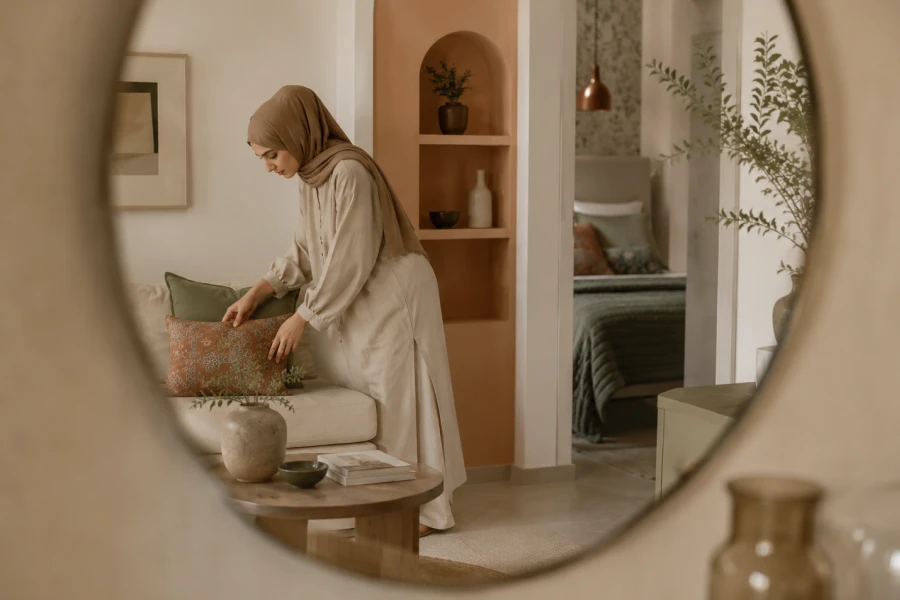
Modern homes often ask one room to do three jobs. Flexible furniture in multi-purpose rooms makes that possible without creating visual chaos. A guest room may also be an office. A dining area may become a homework zone. A living room may host exercise, work calls, storage, and family nights. The challenge is not only fitting everything in. The real challenge is making the room feel intentional. Furniture needs to move, store, fold, expand, or visually disappear. When each piece earns its footprint, small spaces begin to feel smarter, calmer, and more generous.
Before buying anything, define the room’s jobs. List the activities that happen there weekly. Then rank them by importance. A room used daily for work needs different furniture than a room used monthly for guests. Think about surfaces, seating, storage, lighting, and privacy. Notice what must stay visible and what can hide. This prevents impulse purchases that solve one problem while creating another. A small space furniture plan should begin with behavior, not showroom inspiration. Function creates the layout foundation.
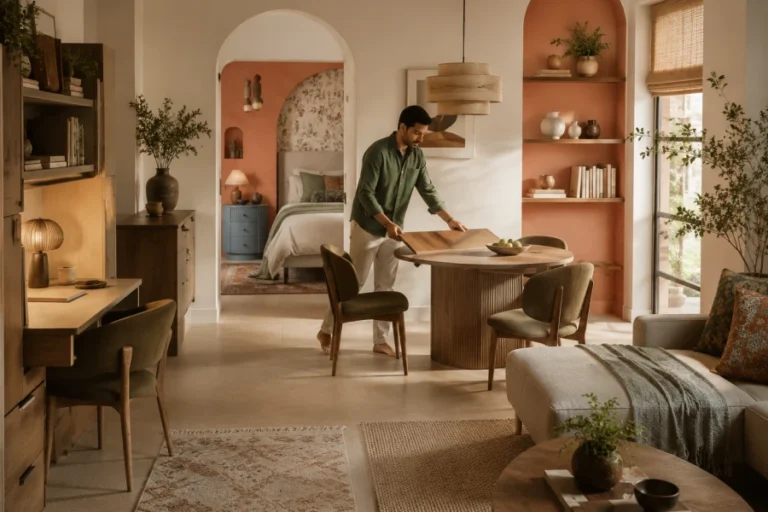
Transforming furniture can make a room more adaptable. Drop-leaf tables, nesting tables, sleeper sofas, folding desks, and storage ottomans all serve multiple needs. The best piece changes easily. If transformation requires too much effort, you will stop using it. Test how a mechanism works before committing. Measure the open and closed positions. Leave room for chairs, doors, and walking paths. Consider weight, durability, and comfort. A flexible piece should not feel like a compromise every day. It should make the room easier to reset after each use.
Even flexible rooms need boundaries. Zones help your brain understand what happens where. A rug can define a sitting area. A wall shelf can mark an office corner. A console can separate entry storage from living space. Lighting can also create zones without adding furniture. Use floor lamps, task lamps, and soft ambient light strategically. These cues make one room feel organized. They also reduce the sense that everything is happening everywhere. With multi-use room planning, visual boundaries matter as much as square footage.
Storage keeps a multi-purpose room from collapsing into clutter. Closed storage hides supplies when the room changes function. Open storage works best for attractive, frequently used items. Choose furniture with hidden compartments when space is limited. Benches, beds, ottomans, and coffee tables can all store essentials. Vertical storage also protects floor space. Wall-mounted shelves, tall cabinets, and peg rails can lift clutter upward. Keep storage near the activity it supports. This reduces cleanup time. Good storage makes flexibility believable because the room can reset quickly.
Adaptability does not mean mixing random pieces. The room still needs a visual language. Repeat materials, colors, and shapes across furniture. Choose one dominant finish and one supporting finish. Keep hardware consistent when possible. Use textiles to soften practical pieces. A sleeper sofa can look elegant with the right scale and fabric. A folding desk can disappear when it matches the wall. A storage cabinet can feel built-in with careful placement. A space-saving interior layout works best when function and beauty cooperate.
Multi-purpose rooms fail when movement is ignored. Walk through the space as if you are using it. Open the sofa bed. Pull out the dining chairs. Sit at the desk. Reach for storage. Move from doorway to window. Notice where furniture blocks your path. Check whether two people can use the room comfortably. Adjust before buying more. Painter’s tape can mark furniture footprints on the floor. This simple test prevents cramped layouts. A flexible room needs breathing space, even when every inch matters.
The best flexible room changes back quickly. If cleanup takes too long, the room will stay stuck in one mode. Create homes for work supplies, guest linens, toys, cables, and exercise gear. Use baskets where quick cleanup matters. Keep folding furniture accessible, not buried. Choose lightweight pieces when frequent movement is expected. Limit decorative objects on transformable surfaces. Let the room breathe after each use. Flexibility is not only about furniture. It is about rhythm. A room succeeds when daily transitions feel natural instead of exhausting.


Leave a comment